Notarized translation: when is it needed?

Notarized translation: when is it needed?

Notarized translation: when is it needed?

Kaip paruošti dokumentus, kad atsakingos institucijos juos gautų laiku ir priimtų iš pirmo karto

Notarinis vertimo patvirtinimas

Vertimas su notaro patvirtinimu yra svarbus žingsnis, kai reikia oficialiai patvirtinti dokumentus. Sužinokite, kada jo reikia, kiek laiko užtruks, kiek kainuos ir kaip tai padaryti teisingai, kad sklandžiai pateiktumėte išverstus dokumentus atsakingoms institucijoms.

Dokumentai, kuriems dažniausiai reikalingas notaro patvirtinimas

Yra daugybė dokumentų tipų, kuriems dažniausiai reikalingas notaro patvirtinimas. Vieni iš dažniausiai pasitaikančių yra gimimo, santuokos, mirties liudijimai, neteistumo pažymos ir kiti civilinės būklės aktai. Šie dokumentai yra svarbūs įvairiose situacijose, nuo teisinės iki administracinės, ir jų vertimai turi būti tiksliai patvirtinti, kad būtų galima juos naudoti užsienyje. Pavyzdžiui, jei reikia pateikti gimimo liudijimą užsienio institucijai, jis turi būti išverstas, o vertimą pasirašančio asmens parašas patvirtintas notaro, kad būtų pripažintas galiojančiu.

Kitas svarbus dokumentų tipas yra akademiniai pažymėjimai ir diplomai. Kai studentai ketina tęsti studijas ar ieškoti darbo užsienyje, dažnai reikia pateikti anksčiau įgyto išsilavinimo įrodymą. Šie dokumentai turi būti išversti ir patvirtinti notaro, kad būtų pripažinti užsienio universitetų ar darbdavių. Notaro tvirtinimas (apostilė) užtikrina, kad akademiniai pažymėjimai yra išduoti oficialiai, todėl gali būti naudojami oficialiems tikslams.

patvirtinimas antspaudu

Taip pat dažnai reikia notariškai patvirtinti įvairius teisinius dokumentus, tokius kaip sutartys, įgaliojimai, teismo sprendimai ir kiti teisės aktai. Šie dokumentai dažnai naudojami teisiniuose procesuose, verslo sandoriuose ar kitose oficialiose situacijose, todėl jų vertimai turi būti tinkamai patvirtinti. Tokiu atveju visi dalyvaujantys asmenys gali būti tikri dėl dokumentų autentiškumo ir vertimo teisingumo.

Jeigu verčiami notaro ar teismų išduoti dokumentai, taip pat reikės notarinio vertimą pasirašančio asmens parašo patvirtinimo.

Kur sužinoti, ar reikia tvirtinti parašą pas notarą?

Idealiu atveju reikėtų užklausti institucijos, kuriai teiksite dokumentą su patvirtintu vertimu. Ji neklystamai pasakys, ar jums (t.y. ar jiems iš jūsų) reikia vertimo su notariniu parašo patvirtinimu.

Taip pat to galite pasiteirauti notarų biure arba vertimo biure, kuriame užsakysite išversti reikiamą dokumentą.

Ar vertėjas ir notaras gali patvirtinti vertimą elektroniniu parašu?

Šiuo metu įmanoma patvirtinti tik patį dokumentą, o ne vertimą pasirašančio asmens elektroninį parašą, tačiau tai užtrunka ilgiau ir vertimas išbrangsta, nes prisieina išversti ir visus elektroninio parašo metaduomenis, kurių susidaro bene penki puslapiai. Vertimą pasirašančio asmens elektorinio parašo notariškai patvirtinti kol kas (2026 metais) galimybės nėra. Jo parašo tikrumas tvirtinamas notaro akivaizdoje.

Kas prisiima teisinę atsakomybę už vertimo atitiktį originalui?

Atsakomybę už vertimo tikrumą prisiima vertimo biuras kaip juridinis asmuo arba vertėjas kaip fizinis asmuo. Notaras netvirtina vertimo tikslumo ar teisingumo, kaip kad apostilė nepatvirtina dokumento turinio teisingumo. Notaras viso labo patvirtina pasirašiusio asmens parašo tikrumą. Jeigu iškiltų klausimas dėl atsakomybės už žinomai neteisingą vertimą, atsakomybė tais atvejais, kai tekstas išverčiamas tikslingai klaidingai, tektų vertėjui kaip fiziniam asmeniui. Tačiau svarbu pabrėžti, kad abiem atvejais pagal įstatymus baudžiama tik už sąmoningai  klaidingą vertimą. Nukentėjusiajam teisme tektų įrodyti, kad vertėjas klaidą padarė tyčia, turėdamas piktybinių sumetimų.

oficialus parašas

Apostilė ir kada jos reikia

Apostilė yra specialus patvirtinimas, kad konkrečioje valstybėje išduotu dokumentu galima pasikliauti, nes jį pasirašęs asmuo išties egzistuoja ir eina oficialias pareigas, kurios nurodytos apostile patvirtintame dokumente. Ji yra būtina, kad dokumentai būtų oficialiai pripažinti galiojančiais užsienyje. Apostilė patvirtina, kad dokumentą jį išdavusioje šalyje teisėtai pasirašė konkrečias pareigas einantis asmuo. Tai ypač svarbu, kai dokumentai naudojami tarptautiniuose teisės procesuose, verslo sandoriuose ar kitose oficialiose situacijose.

Vaikų dokumentų patvirtinimas

Vaikų dokumentų notarinis tvirtinimas yra ypač svarbus. Vaikų gimimo liudijimai, ypač sutikimai nepilnamečiams keliauti į užsienį, ir kiti dokumentai turi būti tiksliai išversti ir patvirtinti notaro, kad būtų galima juos naudoti tarptautinėje erdvėje. Tai užtikrina, kad visi dalyvaujantys asmenys gali būti tikri dėl dokumentų autentiškumo. Pavyzdžiui, jei reikia pateikti vaiko gimimo liudijimą užsienio institucijai, jis turi būti išverstas ir patvirtintas notaro.

Tėvų ar globėjų sutikimas nepilnamečiams keliauti į užsienį yra vienas svarbiausių dokumentų, kuriam būtinas notarinis patvirtinimas. Kai nepilnametis vaikas keliauja be vieno ar abiejų tėvų, dažnai reikalaujama pateikti tėvų ar globėjų tam duotą raštišką sutikimą, patvirtintą notaro. Tai užtikrina, kad vaiko kelionė yra teisėta ir kad tėvai arba globėjai davė tam savo sutikimą. Šis dokumentas turi būti išverstas ir patvirtintas notaro, kad būtų galima jį naudoti tarptautinėje erdvėje.

notariškai patvirtintas parašas

Ar galima vertimo notariniu patvirtinimu pavesti pasirūpinti vertimo biurui?

Taip, galima, ir jūsų dalyvavimas šiame procese nebūtinas. Tačiau svarbu pasirinkti patikimą ir patyrusį vertimo biurą. Vertimo biuras gali pasirūpinti visais vertimo ir notarinio patvirtinimo etapais.  Tai ypač naudinga, kai reikia greitai ir sklandžiai sutvarkyti oficialius dokumentus.

Vertimo biurai dažnai bendradarbiauja su notarais, kad užtikrintų, jog vertimai bus patvirtinti teisingai ir laikantis visų reikalavimų. Tai reiškia, kad klientai gali būti tikri, jog jų dokumentai bus tvarkomi profesionaliai ir atsakingai.

Vertimo biuras gali būti puikus pagalbininkas, kai reikia greitai ir patikimai sutvarkyti oficialius dokumentų tvirtinimus, net jei jūsų atveju vertimo tvirtinti ir nebūtina.

Ar tvirtinant vertimą pas notarą visuomet būtina vertimą susegti su originalu?

Visais atvejais susegti būtina, tačiau nebūtinai su dokumento, kurį verčiame, originalu. Vietoje to, vertimą galima susegti su notaro patvirtinta originalo kopija ir tik tada duoti dokumentą versti, nes išversti reikia ir notarinio kopijos tvirtinimo įrašus. Tai papildomas etapas, kuris pareikalaus papildomo laiko ir išlaidų, tačiau taip apsaugosite originalų dokumentą nuo susegimo su vertimu. Patvirtinti dokumento kopiją pas notarą prieš pradedant versti paprastai taip pat galite patikėti vertimo biurui.

Kiek kainuoja vertimas su notaro patvirtinimu?

Vertimo su biuro ir notaro patvirtinimu kaina priklausys nuo to, kiek juridinio tvirtinimo procedūrų ketinate pavesti sutvarkyti vertėjams. Tarpininkavimo paslauga, veikiausiai, kainuos tiek pat, kiek ir notaro paslaugos, o gal net brangiau negu pats vertimas, jeigu dokumentas trumpas ir paprastas. Tačiau užsakyti tikrai verta. Norėdami sutaupyti, paprastai turėsite ilgai laukti kol pateksite pas notarą. Be to, pats užsakovas savo paties parengto savo asmeninio dokumento vertimo pasirašyti negali.

Vertimo biuro ir notaro tvirtinimo procedūros papildomai kainuos nuo 25 iki 100 eurų (2026 metais), priklausomai nuo to, kiek tvirtinimo etapų prireiks. Gera žinia ta, kad tvirtinant šūsnį dokumentų, vertimo biuro kaip tarpininko paslaugos kaina didėja mažiau negu notaro. Iš esmės mokate vienkartinį mokestį už nuėjimą pas notarą ir papildomą priemoką už tvirtinamų dokumentų skaičių, kuri svyruoja nuo keliolikos iki keliasdešimties eurų už dokumentą.

vertimo kaina

Kiek laiko užtrunka išversti ir patvirtinti vertimą pas notarą?

Dažnai tai labiausiai priklauso nuo notarų užimtumo. Klientų pasitikėjimą užsitarnavę vertimo biurai paprastai notarams atneša kelių užsakovų dokumentus vienu kartu ir juos patvirtintus pasiima jau kitą ar net tą pačią dieną. Bet kokiu atveju, tarpininkas šia paslauga pasirūpins nepalyginti greičiau ir sklandžiau nei viską susitvarkytumėte patys. Pasirinkus patikimą vertimo biurą, galima būti tikriems, kad dokumentus su visais reikiamais antspaudais ir parašais gausite laiku, o vertimas ir visi reikiami tvirtinimai bus galiojantys ir juos iš karto priims reikiamos institucijos Lietuvoje ar užsienyje.
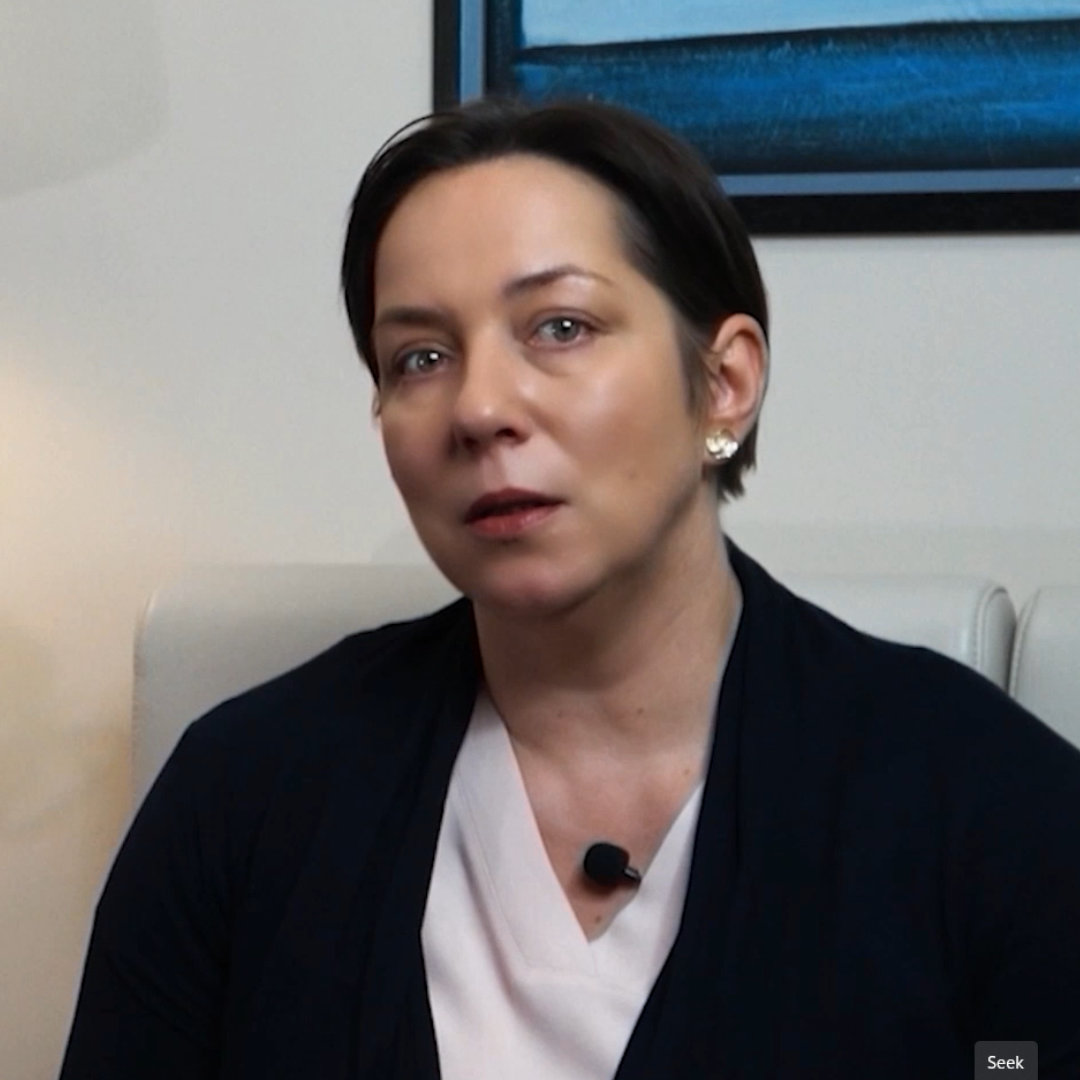
Diana Guogienė

Apie autorę

Diana Guogienė – vertimų biuro „Magistrai“ vadovė ir bendrasavininkė. Ji yra konferencijų vertėja, daugiau kaip 20 metų dirbanti su aukščiausio lygio institucijomis Lietuvoje ir užsienyje. Dėsto sinchroninį vertimą ir anglų kalbos tarimą Vilniaus universitete, ruošia vertimo studijų absolventus tapti vertėjais ES institucijoms. Šaltinis: Studijų kokybės vertinimo centras
Effective Communication: From Attention to Trust

Effective Communication: From Attention to Trust

Effective Communication: From Attention to Trust

Dėmesys atveria duris. Įtaka palieka pėdsaką

sutelktos įtakos tekstai

Paveiki komunikacija prasideda nuo gebėjimo patraukti dėmesį, tačiau tikroji jos vertė atsiskleidžia tada, kai dėmesys virsta pasitikėjimu.

Sabri Suby, reklamos agentūros „King Kong“ savininkas, išgarsėjo ikonine tapusia fraze, kad  šių dienų valiuta yra dėmesys. Kai informacijos srautai tokie nepakeliami, žmonės tapo išsiblaškę, o sunkiausia užduotis yra pritraukti ir išlaikyti jų dėmesį. Todėl, pasak Suby, tas, kuris gaus dėmesio, sulauks ir pajamų: „Rinka pirma apipila dėmesiu, ir tik vėliau pinigais“, –  sako Suby.

Siekti dėmesio produktui ar įmonės vardui jis siūlo drastiškais būdais: „Vienintelis esminės svarbos elementas šiame procese – atrasti dėmesį patraukiantį antraštės tekstą, kuris akimirksniu užkabintų skubančius klientus, čiuptų juos už gerklės ir sukurtų tokią intrigą, kuri priverstų juos pasidalyti savo kontaktiniais duomenimis.“

Tokia strategija gal ir optimali reklamos agentūrai, kurios užduotis yra bemat pasiekti pardavimų ir parodyti užsakovui, kad reklamai skirti pinigai duoda norimą grąžą.

„Magistrai“ žengia kiek kitu keliu: siekti ne dėmesio, bet įtakos. Žinoma, patraukti dėmesį yra nepamainomas žingsnis – nieko nepasieksi, jeigu tavęs apskritai nepastebės. Tačiau svarbiausia, kas vyks po to. Viską lems tai, kaip auditorija priims tavo žinią. Jeigu pagrindinis tikslas yra parduoti didelius kiekius nebrangaus produkto, tai gal ir nebūtina kvaršinti galvos dėl ilgalaikio poveikio. Tačiau daugumai mūsų svarbiausia yra susikurti stabilią reputaciją, kuri mums padėtų pasiekti ilgalaikių tikslų.

Tokiu atveju jau reikia ieškoti būdų ne dėmesiui patraukti, o įtakai pasiekti. Todėl esminis dalykas yra dėmesį paversti pasitikėjimu. Ir nieko baisaus, jeigu dalį pritraukto dėmesio išbarstysime. Esmė yra pasiekti išliekančio poveikio tiems, kurie žinią sutiko palankiai.

Tam buriame šalininkus ir stipriname prekės ženklą. Kaip sako Juozas Statkevičius, pusę gyvenimo dirbame reputacijai susikurti, o kitą pusę – reputacija dirba mums. Žinoma, sumaniai kuriant įtaką pusės gyvenimo tam veikiausiai neprireiks, bet verta pabrėžti, kad šis kelias yra gerokai ilgesnis nei vien patraukti dėmesį.

„Magistrams“ svarbu viskas, kas padeda pasiekti tokios ilgalaikės įtakos. Tai tvirta vertėjo laikysena svarbių renginių metu, solidi kalba, poetiniai elementai, gimtakalbiai redaktoriai, teksto pritaikymas kultūriniam kontekstui ir daug kitų dalykų. Vertėjas yra žinią perteikiantis tarpininkas. O tarpininkai bendraujant turi nepadoriai daug svorio. Pavyzdžiui, kai du žmonės pykstasi, juos daug greičiau sutaikys taikdarys iš šalies. Tam yra net atskiras mokslas ir netgi verslas – mediacija.

„Magistrai“  vis labiau susitelkia į tai, kad kuriama žinia padėtų užsakovams pasiekti įtakos. Žinoma, mes kaip vertėjai negalime kurti žinios vien savo nuožiūra, tačiau, nepažeisdami vertėjo etikos, galime parinkti kalbines priemones, kurios padėtų informacijos sėklai kristi į palankią dirvą.

Šiuo požiūriu darbą su tekstu geriausia lyginti su fotografija. Visi galime fotografuoti mobiliuoju telefonu. Tačiau nufotografuoti taip, kad pagautas kadras taptų paveikus ir atmintyje įstrigtų ilgam, geba tik fotografijos meistras. Jo kurtų nuotraukų poveikis nepalyginamai stipresnis. Ir yra daugybė atvejų, kai tiesiog negalime sau leisti nepasinaudoti profesionalaus fotografo paslaugomis.

Su kalba lygiai taip pat.  Tik, kaip sakome „Magistruose“, vaizdai padaro pirmąjį įspūdį, o žodžiai – išliekantį.

Tad prieš kurdami tekstą pirmiausia paklauskite savęs, kiek jums svarbu poveikis. Kuo svarbiau, tuo daugiau priežasčių jį patikėti žodžio meistrams.

Five Reasons for Quality Assurance in Translation

Five Reasons for Quality Assurance in Translation

Five Reasons for Quality Assurance in Translation

Deliver with discipline and style

Quality-Assurance-in-Translaton

Quality assurance in translation is a detailed and meticulous process that spans from the initial draft to the final delivery. Due to QA process, translated content is not only linguistically accurate but also culturally resonant and technically precise. By incorporating a rigorous QA process, translation services deliver content that meets the exacting demands of cross-cultural and cross-lingustic communication. This fosters understanding and engagement across linguistic and cultural divides.

Reason No 1. Accuracy

Quality assurance double-checks that translations accurately convey the intended message without errors or misinterpretations. No omissions, no redundant words or characters. Accuracy is especially relevant in medical translation or legal translation where even minor discrepancies can lead to grave consequences.

Reason No 2. Consistency

It helps to maintain consistent terms and style throughout the text of a series of texts. When texts are consistent, it is easier to read as there is no confusion. When texts are consistent, readers can absorb and memorize the material much better.

Link Suggestion: “The Role of Lithuanian-English Translation Services” can offer insights into the enormous benefits of approaching potential business partners in their native languages.

Reason No 3. Cultural Sensitivity

Quality assurance also includes adaptation of texts to sound fully natural in the language of translation. Quality inspection makes sure culturally sensitive bits like  idioms or memes are either replaced with counterparts in the language of translation or otherwise adequately explained. This cultural adaptation is called localization.

Quality Assurance in Translation

Reason No 4. Compliance and Legal Requirements

In many industries, such as pharmaceuticals, legal, and finance, adherence to regulatory standards and legal requirements is crucial. Quality assurance check that translated content complies with industry regulations, local laws, and any specific guidelines or standards governing the target country.

Link Suggestion: Exploring “Elevate Your Written Content with Proofreading Services in Vilnius” would illustrate the critical role of proofreading in enhancing the quality of translated materials, showcasing how meticulous attention to detail can elevate the overall readability and professionalism of the text.

Reason No 5. Customer Satisfaction

 Texts that are consistent and accurate, where there is no confusion are much more pleasant to read. Consumers of such texts are much more likely to engage, share the material, give positive word-of-mouth referral. All that makes it more likely that they will become customers or followers and be loyal to the brand.

Implementing Technical Tools and Resources

 Advancements in technology have introduced various tools and software that support the QA process in translation. From translation memory tools that help maintain consistency across large projects to terminology management databases that check the technical terms are used accurately, these resources are indispensable. However, it needs to be appreciated that technology complements rather than replaces the human expertise at the core of quality translation.

Translation Services in Vilnius for Multilingual Website Optimization

Translation Services in Vilnius for Multilingual Website Optimization

Translation Services in Vilnius for Multilingual Website Optimization

Breaking language barriers to reach a wider audience

vertimų biuras Vilniuje

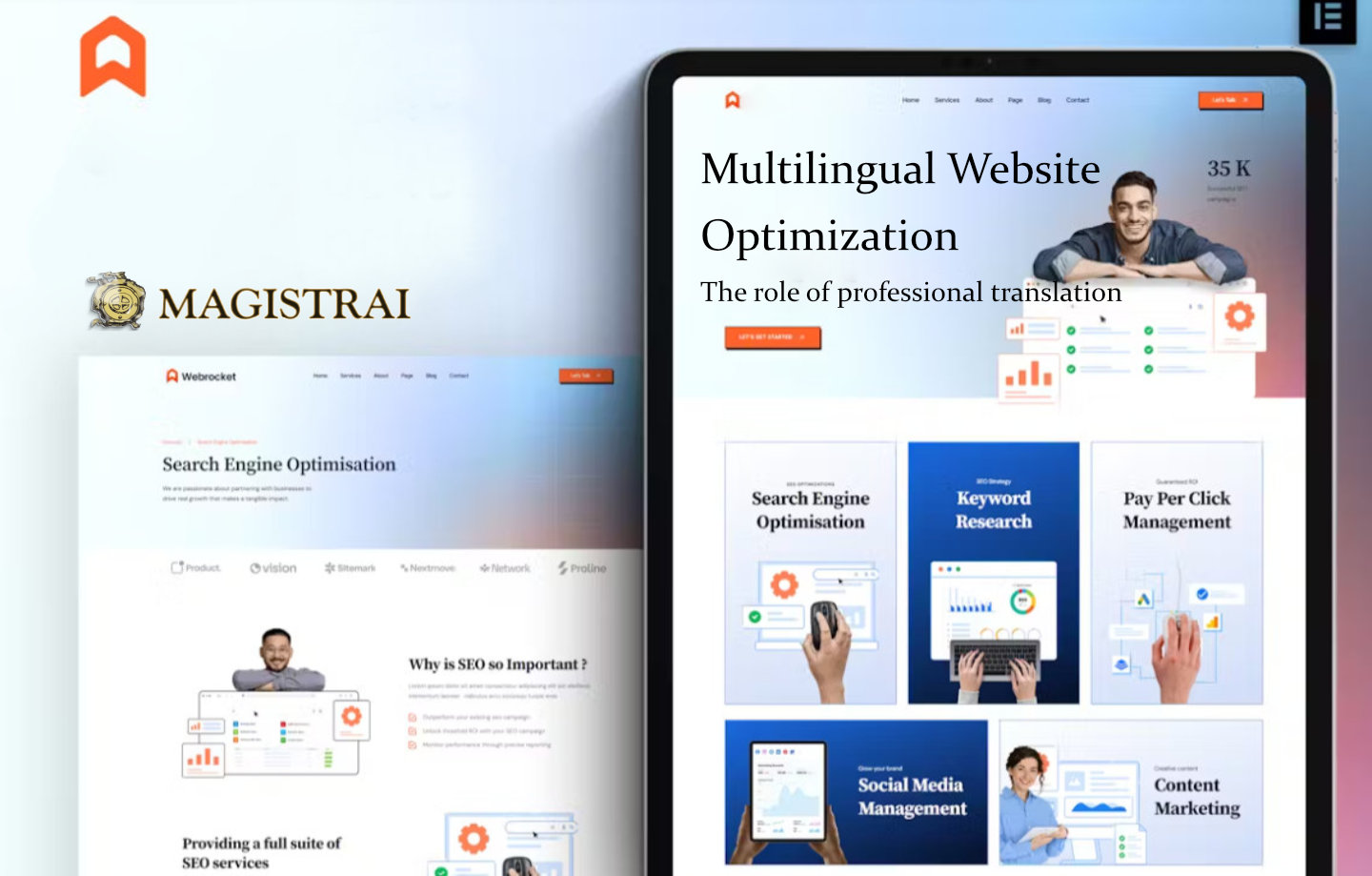
The website is the place of reference when we get interested in a business, non-profit or public organization. This is where we form our first impression about the company. Having a multilingual website helps customize brand messages across countries and thus maximize the impact of its message globally.

This is where the role of professional translation in Vilnius comes into play. Professional translation services for website optimization is not just about translating text; it’s about creating a seamless, culturally relevant experience.

The article explores the significance of employing professional translation services to optimize websites for multiple languages. What is there to pay attention to and why.

Helping to Connect with Audiences Overseas

 The primary goal of making a website multilingual is to break language barriers that prevent businesses from reaching a wider audience. By providing content in multiple languages and tailored to various cultures, companies can significantly expand their potential market. Professional translation services ensure that the content of the website is not only accurately translated but also resonates with the cultural nuances and preferences of the target audience.

For businesses targeting specific regions or linguistic groups, the role of specialized translation services becomes even more critical.

Link Suggestion: Incorporating insights from “The Role of Lithuanian-English Translation Services” sheds light into how specialized translation services cater to niche markets, enhance the effectiveness of multilingual websites, and engage specific demographic groups.

Enhanced User Experience with Culturally Adapted Content

 The user experience on a website is not about just product information. A truly optimized multilingual website publishes content that is culturally adapted to its audience. This means the translator and then the publisher consider local customs, cultural references, and societal norms when preparing website content. Professional translation services understand the importance of cultural adaptation and work to ensure that the website speaks the language of its users, both literally and figuratively.

Cultural adaptation extends to visual elements as well, such as images, colors, and layout, which may all have different connotations and impacts in different cultures. Thus, professional translation services enable businesses to create a website that is not only linguistically accurate but also culturally engaging.

SEO Benefits of Multilingual Websites

 Search Engine Optimization (SEO) plays a crucial aspect in making a website popular and frequently visited.  Multilingual websites have a unique advantage in this area. By offering content in multiple languages, a website can rank higher in search engine results pages (SERPs). The reach will be expanded to more countries making it yet more significantly more popular.

Professional translation services can enhance this benefit by ensuring that keyword research and SEO strategies are tailored to each language. There is a specialty for SEO translation. SEO translators know how to optimize content for relevant keywords, how to create headlines, add external and internal links and other steps which increase the chances of ranking high on Google. At Magistrai, we offer a special kind of translation targeted for optimizing website content for internet search in target countries.

Link Suggestion: The Power of Editing. Why having your Texts Proofread is a Smart Move.

Technical Challenges on the Way

 Launching a website in many languages involves several technical challenges, including adapting website structure, creating extra tags for targeted languages, and ensuring the user interface is equally clear and convenient across all languages in which information is displayed. Professional translation services often work alongside web developers and SEO specialists to address these challenges, ensuring that the website functions smoothly and is easy to use. They double-check that the navigation both works smoothly in added languages.

Technical Translation to Strengthen Brand Loyalty

Technical Translation to Strengthen Brand Loyalty

Technical Translation to Strengthen Brand Loyalty

Working Smarter in the Age of AI

technical translation

Working Smarter in the Age of AI
When preparing technical documentation, the requirements for clarity and accuracy are exceptionally high. Whether it’s a user manual, a research paper, or a product datasheet, these and similar documents require meticulous translation. We will discuss what clients should focus on when commissioning such translations. What is essential today for translated content to be as effective and reliable as the original?

The Specifics of Technical Translation
Technical translation is a task that goes beyond mere linguistic skills. It requires a deep understanding of the specific industry and the terminology used within it. The importance of technical knowledge is usually clear to the client. What may be less obvious is that the linguistic aspect of translation deserves just as much attention. We will explain why this is the case and what benefits it brings.

The Temptations and Dangers of AI
Translation memory tools, dictionaries, and other technological aids can significantly speed up the technical translation process. Moreover, AI performs fairly accurate translations in this field. However, if a client aims to create a good impression and present themselves as a reliable manufacturer, such translations must be performed or at least reviewed by a professional translator.

Let’s compare. A wedding guest could snap plenty of photos, but if you want those pictures to hold lasting value, you’d probably hire a professional photographer. The same goes for translation—the difference being that words leave a lasting impression.

Recommended reading: If we prepare texts in flawless English when communicating abroad, we will climb higher in the global economic chain. Learn more in the article “How Translation Excellence Contributes to Business Expansion Overseas.”

technical translation

Localization of Technical Texts is about Rewriting for Greater Reader Comprehension

Technical Translation Localization
If you doubt whether the target reader will fully understand the material, consider technical translation localization before it’s too late. Usually, this is done by a linguist, but it must be requested as an additional service. For instance, there is little benefit to having a precisely written user manual if the buyer cannot understand it due to overly technical language. This type of translation, which makes the text more understandable to non-experts, is called localization. It is the second stage after translation. Usually, this service must be ordered separately. At the very least, do not assume that a translator will automatically provide localization when commissioning a translation.

The Role of Language Editing and Quality Assurance
The third stage is language editing, which can be linguistic or subject-specific.
If the translation was done by someone who is not a specialist in the relevant technical field, subject-specific editing is a necessary step to ensure the quality of the translation. This is done by an expert in the field, who reviews the translation and corrects any amateurish or unclear parts. In high-end translation agencies, language editing is usually included in the service, so even if you don’t specifically ask, you’ll receive a ready-to-publish translation. However, subject-specific editing is generally an additional service that should be ordered separately.

Meanwhile, the language editor carefully reads the entire translated and subject-edited text, correcting any spelling, style, inconsistencies, and ambiguities that may have crept in. They also ensure consistent formatting and terminology throughout the document.

technical translation

A Premium Technical Translation Works Better than Ordinary Advertising

Related topic: In Vilnius, native-language editors work to prepare flawless technical or other types of texts in English, German, French, and other languages. How this benefits you is discussed in the article “Strengthen Your Relationship with the Target Audience: Translation Service in Vilnius.“

Two Key Takeaways from the Article
With the dawn of AI-based translations, there was euphoria that anyone could now easily translate any type of text without effort. However, despite the rise of artificial intelligence, linguistic principles have not disappeared. If we want translated technical documents to reliably serve their purpose and not cause problems for the company, we should remember that this is a multifaceted, complex task.

It requires deep language knowledge and technical expertise. While machines can translate reasonably well, they do not guarantee reliable results. They are not responsible for any errors, consequences, or damage to a company’s reputation. Human involvement remains irreplaceable. An experienced translator will prepare a technical text in a way that helps the client achieve their strategic goals. The language will be smooth and pleasant to read. The reader will be left with the impression that the company knows what it’s doing and genuinely cares about its customers. This will foster greater loyalty to the brand than, for example, intrusive advertising.

The Art of Artistic Translation

The Art of Artistic Translation

The Art of Artistic Translation

Challenges, Magic, and Touching the Soul of a Nation

artistic translation

Conveying artistic impressions in another language is a distinct form of art.

Translating works of literature is the pinnacle of the trade. Compared to translators of other subjects, the difference is like that between a journalist and a poet. Of course, no one is saying that a journalist cannot be a good writer, but translators of fiction and poetry must themselves become artists, casting spells with extraordinary talent.
Thus, literary translation is a sacred ground of translators, and those who engage in it are like priests, immediately earning the status of the best of the best.

Imagine having before you a masterpiece of world literature. Let’s say for example you’ve decided to translate the poetry of William Blake. As is common in the world of art, we shall break the flow of time and explore the path you’ll need to walk to become a translator of world literature. Then, we’ll see what your work will bring to others.

A Literary Translator Must Be Nearly Equal to the Writer
Boundless Knowledge of Humanities Is Essential
To become a translator of literary texts, you must, of course, master both the original and the target languages almost perfectly. If you couldn’t at least be a mid-level novelist or poet yourself, this task will be too challenging for you.
You need to be deeply familiar with the arts. How could you properly translate William Blake without knowing about the era he represented? What artistic tools did he use, and why? What was he trying to convey with his works?
Related link: Even the best translator’s work can be refined by a qualified language editor. Did you know that in Vilnius, you can order the services of native-speaking editors in the most prominent foreign languages?

literary translation

Blake was a poet of the early Romantic era. This was the artistic environment in which he created. It would be helpful to thoroughly understand what Romanticism is, how it differs from other artistic epochs, and what the artists of this movement focused on. After all, you cannot ignore how the art of that time differs from the present—it might come in handy when crafting a moving translation.
And that’s not all. Blake was a person of the early 19th century. To translate him properly, you’ll need to immerse yourself in the language of that time, which means understanding what the society of that age lived by.
Blake was an English poet. What will an English classics translator be capable of if they’re not thoroughly familiar with the culture and worldview of the English and the other inhabitants of the British Isles? Such a translator must have a strong grasp of how the English differ from other Europeans; otherwise, they won’t capture the national tone that, undoubtedly, permeates Blake’s poetry.

The Magic of the Pen
Before even picking up the pen, the translator must think about the reader. First, like an actor, they must immerse themselves in the role, dive into the poet’s visions, and fully submerge in Blake’s creative world. They must discover what his message to humanity was.
In other words, before starting to translate a world-class classic, one must thoroughly understand which buttons Blake pressed to stir up waves in the society of his time, and later beyond it.
I recommend reading: Why are nearly all wealthy countries either English-speaking or home to populations fluent in the global language? Because good language skills open doors to more significant positions in the international community. How to make use of this is discussed in the article, “Lithuanian-English Translation: Our Gateway to the World.”
Finally, the translator must recreate the magic of Blake’s words in the target language. But that’s still not enough. If you want your translation to have the same powerful artistic impact, you’ll also need to make sure you press the right artistic influence buttons in the reader’s soul.
And for that, you must equally master the humanities context of the target language. If you are translating into Lithuanian, you’ll need to know how to write a stirring text for the Lithuanian audience. Some literary devices might move the English, while the Lithuanians might respond to others. For example, it could make sense to use a different symbol if you decide that William Blake, had he written for Lithuanians, would have chosen a different form of expression.

literary translation

The Mechanics of Artistic Imagery

The Art of Translation
Literary translation is an art form in itself. It becomes clear why literary translators are the elite of translators. Many people write texts, but only the chosen ones write poems and novels that define the spirit of an era. Translations of fiction also surpass ordinary professional frameworks and become works of art. This means that the translators of such texts are artists. They create magic. They open new worlds and reveal what was previously unseen.
What, in fact, does such translation magic create? Shared values and experiences. If you wish to convey the Lithuanian worldview to the world, say, during the Soviet era, the best way to do so is to translate the works of Justinas Marcinkevičius. To convey to the world the impression we feel when Mažvydas teaches a child to read, or when Mindaugas battles the egoism of tribal leaders while uniting Lithuania. What power reaches us from the writer’s words about the smell of freshly baked bread, the sweetness of the native word, and the Lithuanian deeply rooted in history and his land?
If we want to convey our national sentiment, we must artistically translate the works of our most prominent writers. Incidentally, J. Marcinkevičius’s works have been translated into a dozen foreign languages. So, translators are building bridges.

Summary
No other form of translation rivals the complexity and impact of literary translation. Now we know how much there is to learn in order to master the art of translation. It is these translators who create artistic influence, and therefore they are artists themselves. They convey the author’s national sentiment to other nations, creating a bond between peoples and, often, a shared European identity.

Secret Link