
Foreign language proficiency boosts international trade

Foreign language proficiency boosts international trade

Foreign language proficiency boosts international trade

Tyrimai atskleidžia, kad kalbinis artumas didina užsienio prekybos srautus vidutiniškai 44 proc.

Kalba ir tarptautinė prekyba

Kai kalbame apie tarptautinę prekybą, dažniausiai skaičiuojame tarifus, logistikos kaštus, darbo jėgos kainą, valiutų kursus ar mokesčius. Tačiau egzistuoja dar vienas, gerokai mažiau pastebimas veiksnys – kalba.

Ir jo ekonominį poveikį jau galima išmatuoti.

Korėjietiškai kalbantys regionai daugiau prekiauja su Korėja

2024 m. žurnale PLOS ONE paskelbtas Qingshu Xia ir Boxu Zhou tyrimas nagrinėjo Kinijos regionų prekybą su Pietų ir Šiaurės Korėja. Mokslininkai pasinaudojo įdomiu natūraliu istoriniu eksperimentu: dėl XIX a. pabaigoje vykusios korėjiečių migracijos Kinijos šiaurės rytų regionuose korėjiečių kalbos paplitimas labai skiriasi.

Autoriai analizavo 288 Kinijos apskritis ir 2000–2015 m. muitinės sandorių duomenis. Siekdami atskirti kalbos poveikį nuo kitų veiksnių, jie pritaikė instrumentinių kintamųjų metodą, pasitelkdami atstumą iki Hunčuno – istorinio korėjiečių migracijos centro.

Rezultatas įspūdingas: 1 % didesnė korėjiečių kalbą vartojančių gyventojų dalis buvo susijusi su maždaug 1,8 % didesne prekybos vertės dalimi ir 2,3 % didesne sandorių dalimi prekyboje su Korėjomis.

Dar įdomiau – tyrėjai bandė atsakyti ne tik į klausimą ar kalba padeda prekybai, bet ir kodėl.

Paaiškėjo, kad bendra kalba mažina informacijos asimetriją ir komunikacijos barjerus. Regionai, kuriuose korėjiečių kalba buvo labiau paplitusi, prekiavo įvairesnėmis prekėmis, naudojo daugiau prekybos bei transportavimo būdų. Kalbos poveikis labiausiai pasireiškė vadinamojoje ekstensyviojoje prekybos maržoje – ji padėjo atsirasti daugiau prekybinių ryšių, o ne vien padidinti jau egzistuojančių sandorių apimtį.

Kitaip tariant, mokėti partnerio kalbą svarbu ne tik todėl, kad lengviau susikalbėti.

Kalba padeda apskritai atrasti partnerį ir pradėti su juo verslą.

44 procentų efektas

Kinijos ir Korėjos pavyzdys nėra vienišas.

Ekonomistai Peter H. Egger ir Andrea Lassmann iš Šveicarijos KOF ekonomikos instituto atliko gerokai platesnę kalbos poveikio tarptautinei prekybai metaanalizę. Jie surinko net 701 kalbos poveikio įvertį iš 81 akademinio tyrimo.

Jų išvada: šalys, turinčios bendrą oficialią arba plačiai vartojamą kalbą, vidutiniškai pasižymi maždaug 44 % didesniais tiesioginiais dvišalės prekybos srautais.

Žinoma, tai nereiškia, kad išmokę vokiečių kalbą kitą rytą Vokietijai parduosime 44 % daugiau lietuviškų prekių. Tačiau tai reiškia kai ką strategiškai svarbesnio.

Kalbinis artumas mažina prekybos barjerus.

Tarptautiniame versle reikia surasti partnerį, suprasti jo poreikius, pristatyti pasiūlymą, derėtis, sudaryti sutartį, spręsti nesusipratimus, aptarti techninius klausimus ir – ne mažiau svarbu – sukurti pasitikėjimą.

Kiekviename iš šių etapų kalbos barjeras yra papildoma trintis.

Kuo jis mažesnis, tuo lengviau vyksta prekyba.

Bet juk visi kalba angliškai?

Anglų kalba neabejotinai tapo pasauline verslo lingua franca. Ji leidžia lietuviui derėtis su vokiečiu, japonu ar prancūzu nemokant jų kalbų. Tačiau iš to nereikėtų daryti išvados, kad kitų kalbų ekonominė vertė išnyko.

Jacques Melitz ir Farid Toubal tyrimai rodo, kad kalbos poveikis prekybai nėra vien gebėjimas techniškai perduoti informaciją. Svarbūs ir tiesioginė komunikacija, kultūriniai bei etniniai ryšiai, pasitikėjimas, vertimas ir galimybė naudotis kalbiniais tinklais. Jų vertinimu, bendras kalbinių veiksnių poveikis gali būti bent dvigubai didesnis, nei parodytų paprastas rodiklis „šalys turi / neturi bendrą oficialią kalbą“.

Čia atsiranda labai svarbus skirtumas tarp galėjimo susikalbėti ir gebėjimo kurti santykį.

Anglų kalbos gali visiškai pakakti tarptautiniam sandoriui įvykdyti. Tačiau partnerio gimtoji kalba gali padėti prie to sandorio apskritai prieiti. 

Ką tai reiškia Lietuvai? Manau, čia verta kalbėti ne vien apie švietimo, bet ir apie ekonominę politiką. Jeigu norime stiprinti ekonominius ryšius su Vokietija, Skandinavija, Lenkija, Prancūzija ar kitomis strateginėmis rinkomis, turėtume klausti ne tik:

„Kiek mūsų žmonių moka angliškai?“, bet ir „Kiek mūsų žmonių moka mūsų svarbiausių prekybos partnerių kalbas?“

Vokiečių, lenkų, prancūzų, švedų ar kitų kalbų mokymas nėra vien humanitarinis išsilavinimas. Tam tikromis aplinkybėmis tai gali būti labai praktiška eksporto veiksnys.

​Eksporto vadovas, mokantis tik anglų kalbą, gali puikiai aptarnauti tarptautinę rinką. Tačiau eksporto komanda, kurioje yra žmonių, galinčių su svarbiausiais klientais kalbėti jų kalba, turi papildomą konkurencinį pranašumą.

Nes verslas vyksta ne tarp valstybių ir ne tarp logotipų. Verslas vyksta tarp žmonių. O žmonės labiau pasitiki tais, su kuriais galima užmegzti artimesnį ryšį.

Todėl užsienio kalbų mokėjimą verta vertinti ne tik kaip kultūrinį kapitalą. Tai ir ekonominis kapitalas.

Šaltiniai:
Xia & Zhou (2024), „The impact of common language on international trade“
Egger & Lassmann, „The Language Effect in International Trade: A Meta-Analysis“


We will secure our future by caring for our language

We will secure our future by caring for our language

We will secure our future by caring for our language

Prūsai išnyko, Lietuvos bajorija nutautėjo, o saujelė XIX amžiaus idealistų pasirinko priešingą kelią. Sekame jų pėdsakais.

Raidžių kelias

Raidžių kelias

Nepelnytai primirštas XX a. kalbininkas Petras Jonikas apžvelgė, kaip lietuvių kalba persipynusi su pačios tautos likimu. Globalizacijos amžiuje lietuvių kalba, o ir tauta, vėl patiria iššūkių. Pažiūrėkime, kiek jie primena tai, ką tautai jau yra tekę išgyventi anksčiau.

Šiek tiek apie Petrą Joniką. Kaip kalbininkas jis atsiskleidė smetoninėje Lietuvoje, nuo 1927 iki 1940 metų. Tuomet jis buvo vienas iš pagrindinių kalbos normintojų. Prigalvojo daugybę naujadarų, tokių kaip žiebtuvėlis, orkaitė, pradmenys, pagreitis, rašyklė, iškyla, striukė ir kitų. Šiandien jie skamba visiškai natūraliai, bet anuomet buvo sąmoningai kuriami nuo nulio. Kaip ir dabar, dėl tokių naujovių užsitraukdavo daugelio rūstybę.

Apie Petrą Joniką esame anksčiau kalbėję  YT kanale. Nuoroda į pasakojimą.

Atsiverskime jo 1987 m. išleistą knygą „Lietuvių kalba ir tauta amžių būvyje. Visuomeniniai lietuvių kalbos istorijos bruožai“. Kadaise lietuviai ir latviai kalbėję viena kalba, sudarę vieną etninę grupę. Susiformavus atskiroms kalboms, keliai išsiskyrė. Tad mus išskyrė kalba.

Prūsai suvokietėjo, tačiau ilgainiui jų neliko nė pėdsako. Kurį laiką buvo vokiečiais savo žemėje, tačiau XX a. viduryje juos jau kaip vokiečius nuo jos nuvarė. Kur prūsų palikuonys šiandien?

Panašus likimas ištiko ir Lietuvos bajorus, kurie sulenkėjo. Ilgainiui jie taip pat buvo nuvaryti nuo savo žemės (komunistinė „ekspropriacija“, tremtis). Mes mažai ką žinome kur šiandien Radvilos, Sapiegos ar Oginskiai.

Panašūs procesai vyko ir kitose Europos šalyse. Pavyzdžiui, Anglijoje prancūziškai kalbėjusi diduomenė arba nepastebimai išnyko, arba persiėmė liaudies kalba.

Petras Jonikas

Tad pirmoji P. Joniko išvada tokia: kalba sutelkia visuomenę, o atsiskyrusieji nuo kalbos atsiskiria nuo tautos ir ilgainiui išnyksta be pėdsako.

Antrą labai vertingą įžvalgą rasime paskaitę apie kovas dėl lietuvių kalbos ir tautinio orumo XIX amžiuje. Mes nė neįsivaizduojame, kokios stiprios anuo metu buvo lietuvybei priešiškos jėgos. Štai J. Šliūpas rašė: „apie Pernaravą bei Ariogalą pakeliui lietuviškai užkalbinti bajorai piktai atsakydavę lenkiškai, matyt, niekindami kalbančius lietuviškai (A 1884, 369). O Pašešupyje keli įkaušę jaunuoliai dvarininkaičiai aprėkę į viešbučio valgyklą atėjusius lietuvius už jų ten kalbėjimąsi lietuviškai, chamais išvadindami (A 1885, 398).“

Tokioje aplinkoje buvo girdėti vos keletas idealistų, kurie ėmėsi stiprinti tautinę savimonę, raginti, kad nereikia visko iš eilės periminėti iš kitų tautų. Šiandien jie puikiai visiems žinomi, jų vardais pavadintos gatvės: J. Basanavičius, V. Kudirka, J. Jablonskis, G. Petkevičaitė – Bitė ir kt. Įdomu pažymėti, kad V. Kudirka iš pradžių buvo kietas lenkofilas, manė, kad lietuviams rašyti ir tvarkyti dokumentus reikia lenkiškai. Bet vėliau, paskaitęs kelis „Aušros“ numerius, nuomonę iš esmės pakeitė ir pats ėmė leisti „Varpą“ – lietuvišką savimonę propaguojantį laikraštį.

Tad ir XIX amžiuje daugumai atrodė, kad mes mažučiai, nieko negebam ir kad norėdami įsitvirtinti turime remtis svetima kultūra. Saujelė šviesuolių persvėrė šią tendenciją. Kai pabudo nacionalinė savimonė, atsirado ir tautinė valstybė. Šiandien jau laikome savaime suprantama, kad anuomet ginti kalbą buvo žygdarbis. Bet, leiskite paklausti, ar darytumėte tą patį šiandien?

​Šiandien kalbos padėtis gana panaši. Vėl kyla pagunda persiimti svetima įtaka, neva taip būsime šviesūs ir pažangūs. Net valstybės institucijos menkai gina kalbą. Tad ir vėl esame ten, kur savo laiku buvo Daukantas, Basanavičius ir Kudirka. P. Joniko knyga leidžia pamatyti, kiek daug lemia su kalba susiję pasirinkimai.

Tad kalba mus veikia nepalyginamai labiau nei manome. Ji lemia kur bus mūsų vieta po keleto amžių. Gimtoji kalba sutvirtina tautinę savimonę, ryšį su savojo krašto žmonėmis. Tuo suteikia mums ateitį.

Tie, kurie stojo ginti kalbos, tapo nacionaliniais didvyriais ir buvo įrašyti į istorijos puslapius. O ką žinome apie tuos, kurie jiems priešinosi? Lūkesčiai nepasiteisino. Anose tautose, kurias kėlė pavyzdžiu, iškiliais netapo. Ilgainiui be pėdsako išnyko.

Tai tiek apie P. Joniko mintis. Šiandien šios įžvalgos žengia toliau. Šių dienų minties lyderiai tvirtina, kad kalbos kokybė turi lemiamos įtakos kiekvieno individo ateičiai. Apie parašiau el. knygą „Kalba – tai likimas“. Jai antrina ir Tomas Girdzijauskas, kuris radikaliai pasisako už dėmesį tam, kaip kalbi: „O žmonės nesupranta ir nesureikšmina subtilaus, bet lemtingo dalyko: kalbėdami – nesvarbu, ką jie bekalbėtų, ar patys sau, ar kitiems – jie kuria savo ateitį. Gerą arba blogą. Ne tik žodžiais, bet ir raidėmis.

Taigi, šiandien mes ir vėl kylame į kovą už kalbos puoselėjimą. Skirtumas lyginant su ankstesniais amžiais tik tas, kad dabar pabrėžiame būtinybę pradėti nuo savęs.

Five Reasons for Quality Assurance in Translation

Five Reasons for Quality Assurance in Translation

Five Reasons for Quality Assurance in Translation

Deliver with discipline and style

Quality-Assurance-in-Translaton

Quality assurance in translation is a detailed and meticulous process that spans from the initial draft to the final delivery. Due to QA process, translated content is not only linguistically accurate but also culturally resonant and technically precise. By incorporating a rigorous QA process, translation services deliver content that meets the exacting demands of cross-cultural and cross-lingustic communication. This fosters understanding and engagement across linguistic and cultural divides.

Reason No 1. Accuracy

Quality assurance double-checks that translations accurately convey the intended message without errors or misinterpretations. No omissions, no redundant words or characters. Accuracy is especially relevant in medical translation or legal translation where even minor discrepancies can lead to grave consequences.

Reason No 2. Consistency

It helps to maintain consistent terms and style throughout the text of a series of texts. When texts are consistent, it is easier to read as there is no confusion. When texts are consistent, readers can absorb and memorize the material much better.

Link Suggestion: “The Role of Lithuanian-English Translation Services” can offer insights into the enormous benefits of approaching potential business partners in their native languages.

Reason No 3. Cultural Sensitivity

Quality assurance also includes adaptation of texts to sound fully natural in the language of translation. Quality inspection makes sure culturally sensitive bits like  idioms or memes are either replaced with counterparts in the language of translation or otherwise adequately explained. This cultural adaptation is called localization.

Quality Assurance in Translation

Reason No 4. Compliance and Legal Requirements

In many industries, such as pharmaceuticals, legal, and finance, adherence to regulatory standards and legal requirements is crucial. Quality assurance check that translated content complies with industry regulations, local laws, and any specific guidelines or standards governing the target country.

Link Suggestion: Exploring “Elevate Your Written Content with Proofreading Services in Vilnius” would illustrate the critical role of proofreading in enhancing the quality of translated materials, showcasing how meticulous attention to detail can elevate the overall readability and professionalism of the text.

Reason No 5. Customer Satisfaction

 Texts that are consistent and accurate, where there is no confusion are much more pleasant to read. Consumers of such texts are much more likely to engage, share the material, give positive word-of-mouth referral. All that makes it more likely that they will become customers or followers and be loyal to the brand.

Implementing Technical Tools and Resources

 Advancements in technology have introduced various tools and software that support the QA process in translation. From translation memory tools that help maintain consistency across large projects to terminology management databases that check the technical terms are used accurately, these resources are indispensable. However, it needs to be appreciated that technology complements rather than replaces the human expertise at the core of quality translation.

Translation Services in Vilnius for Multilingual Website Optimization

Translation Services in Vilnius for Multilingual Website Optimization

Translation Services in Vilnius for Multilingual Website Optimization

Breaking language barriers to reach a wider audience

vertimų biuras Vilniuje

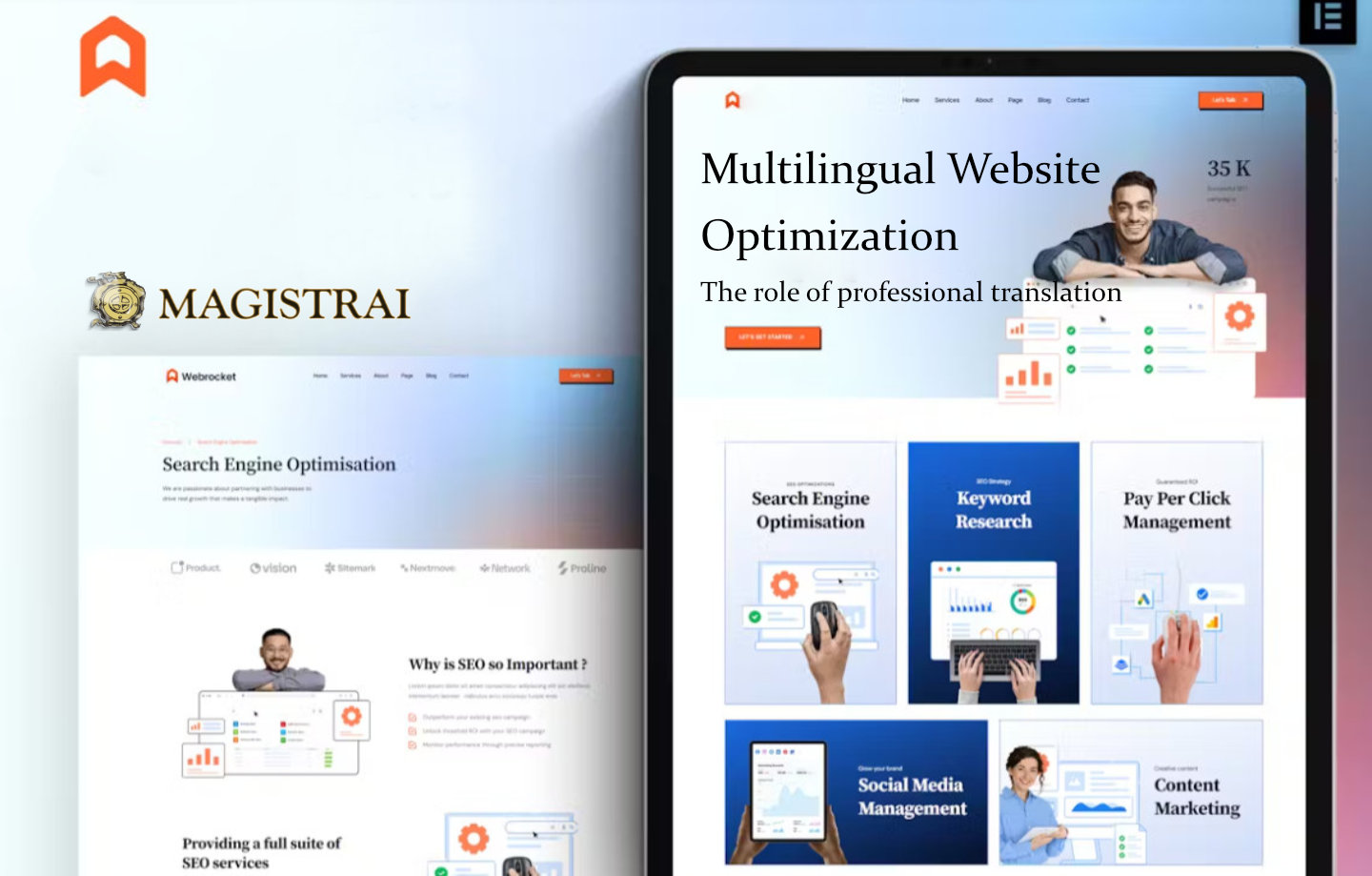
The website is the place of reference when we get interested in a business, non-profit or public organization. This is where we form our first impression about the company. Having a multilingual website helps customize brand messages across countries and thus maximize the impact of its message globally.

This is where the role of professional translation in Vilnius comes into play. Professional translation services for website optimization is not just about translating text; it’s about creating a seamless, culturally relevant experience.

The article explores the significance of employing professional translation services to optimize websites for multiple languages. What is there to pay attention to and why.

Helping to Connect with Audiences Overseas

 The primary goal of making a website multilingual is to break language barriers that prevent businesses from reaching a wider audience. By providing content in multiple languages and tailored to various cultures, companies can significantly expand their potential market. Professional translation services ensure that the content of the website is not only accurately translated but also resonates with the cultural nuances and preferences of the target audience.

For businesses targeting specific regions or linguistic groups, the role of specialized translation services becomes even more critical.

Link Suggestion: Incorporating insights from “The Role of Lithuanian-English Translation Services” sheds light into how specialized translation services cater to niche markets, enhance the effectiveness of multilingual websites, and engage specific demographic groups.

Enhanced User Experience with Culturally Adapted Content

 The user experience on a website is not about just product information. A truly optimized multilingual website publishes content that is culturally adapted to its audience. This means the translator and then the publisher consider local customs, cultural references, and societal norms when preparing website content. Professional translation services understand the importance of cultural adaptation and work to ensure that the website speaks the language of its users, both literally and figuratively.

Cultural adaptation extends to visual elements as well, such as images, colors, and layout, which may all have different connotations and impacts in different cultures. Thus, professional translation services enable businesses to create a website that is not only linguistically accurate but also culturally engaging.

SEO Benefits of Multilingual Websites

 Search Engine Optimization (SEO) plays a crucial aspect in making a website popular and frequently visited.  Multilingual websites have a unique advantage in this area. By offering content in multiple languages, a website can rank higher in search engine results pages (SERPs). The reach will be expanded to more countries making it yet more significantly more popular.

Professional translation services can enhance this benefit by ensuring that keyword research and SEO strategies are tailored to each language. There is a specialty for SEO translation. SEO translators know how to optimize content for relevant keywords, how to create headlines, add external and internal links and other steps which increase the chances of ranking high on Google. At Magistrai, we offer a special kind of translation targeted for optimizing website content for internet search in target countries.

Link Suggestion: The Power of Editing. Why having your Texts Proofread is a Smart Move.

Technical Challenges on the Way

 Launching a website in many languages involves several technical challenges, including adapting website structure, creating extra tags for targeted languages, and ensuring the user interface is equally clear and convenient across all languages in which information is displayed. Professional translation services often work alongside web developers and SEO specialists to address these challenges, ensuring that the website functions smoothly and is easy to use. They double-check that the navigation both works smoothly in added languages.

Technical Translation to Strengthen Brand Loyalty

Technical Translation to Strengthen Brand Loyalty

Technical Translation to Strengthen Brand Loyalty

Working Smarter in the Age of AI

technical translation

Working Smarter in the Age of AI
When preparing technical documentation, the requirements for clarity and accuracy are exceptionally high. Whether it’s a user manual, a research paper, or a product datasheet, these and similar documents require meticulous translation. We will discuss what clients should focus on when commissioning such translations. What is essential today for translated content to be as effective and reliable as the original?

The Specifics of Technical Translation
Technical translation is a task that goes beyond mere linguistic skills. It requires a deep understanding of the specific industry and the terminology used within it. The importance of technical knowledge is usually clear to the client. What may be less obvious is that the linguistic aspect of translation deserves just as much attention. We will explain why this is the case and what benefits it brings.

The Temptations and Dangers of AI
Translation memory tools, dictionaries, and other technological aids can significantly speed up the technical translation process. Moreover, AI performs fairly accurate translations in this field. However, if a client aims to create a good impression and present themselves as a reliable manufacturer, such translations must be performed or at least reviewed by a professional translator.

Let’s compare. A wedding guest could snap plenty of photos, but if you want those pictures to hold lasting value, you’d probably hire a professional photographer. The same goes for translation—the difference being that words leave a lasting impression.

Recommended reading: If we prepare texts in flawless English when communicating abroad, we will climb higher in the global economic chain. Learn more in the article “How Translation Excellence Contributes to Business Expansion Overseas.”

technical translation

Localization of Technical Texts is about Rewriting for Greater Reader Comprehension

Technical Translation Localization
If you doubt whether the target reader will fully understand the material, consider technical translation localization before it’s too late. Usually, this is done by a linguist, but it must be requested as an additional service. For instance, there is little benefit to having a precisely written user manual if the buyer cannot understand it due to overly technical language. This type of translation, which makes the text more understandable to non-experts, is called localization. It is the second stage after translation. Usually, this service must be ordered separately. At the very least, do not assume that a translator will automatically provide localization when commissioning a translation.

The Role of Language Editing and Quality Assurance
The third stage is language editing, which can be linguistic or subject-specific.
If the translation was done by someone who is not a specialist in the relevant technical field, subject-specific editing is a necessary step to ensure the quality of the translation. This is done by an expert in the field, who reviews the translation and corrects any amateurish or unclear parts. In high-end translation agencies, language editing is usually included in the service, so even if you don’t specifically ask, you’ll receive a ready-to-publish translation. However, subject-specific editing is generally an additional service that should be ordered separately.

Meanwhile, the language editor carefully reads the entire translated and subject-edited text, correcting any spelling, style, inconsistencies, and ambiguities that may have crept in. They also ensure consistent formatting and terminology throughout the document.

technical translation

A Premium Technical Translation Works Better than Ordinary Advertising

Related topic: In Vilnius, native-language editors work to prepare flawless technical or other types of texts in English, German, French, and other languages. How this benefits you is discussed in the article “Strengthen Your Relationship with the Target Audience: Translation Service in Vilnius.

Two Key Takeaways from the Article
With the dawn of AI-based translations, there was euphoria that anyone could now easily translate any type of text without effort. However, despite the rise of artificial intelligence, linguistic principles have not disappeared. If we want translated technical documents to reliably serve their purpose and not cause problems for the company, we should remember that this is a multifaceted, complex task.

It requires deep language knowledge and technical expertise. While machines can translate reasonably well, they do not guarantee reliable results. They are not responsible for any errors, consequences, or damage to a company’s reputation. Human involvement remains irreplaceable. An experienced translator will prepare a technical text in a way that helps the client achieve their strategic goals. The language will be smooth and pleasant to read. The reader will be left with the impression that the company knows what it’s doing and genuinely cares about its customers. This will foster greater loyalty to the brand than, for example, intrusive advertising.

Secret Link